


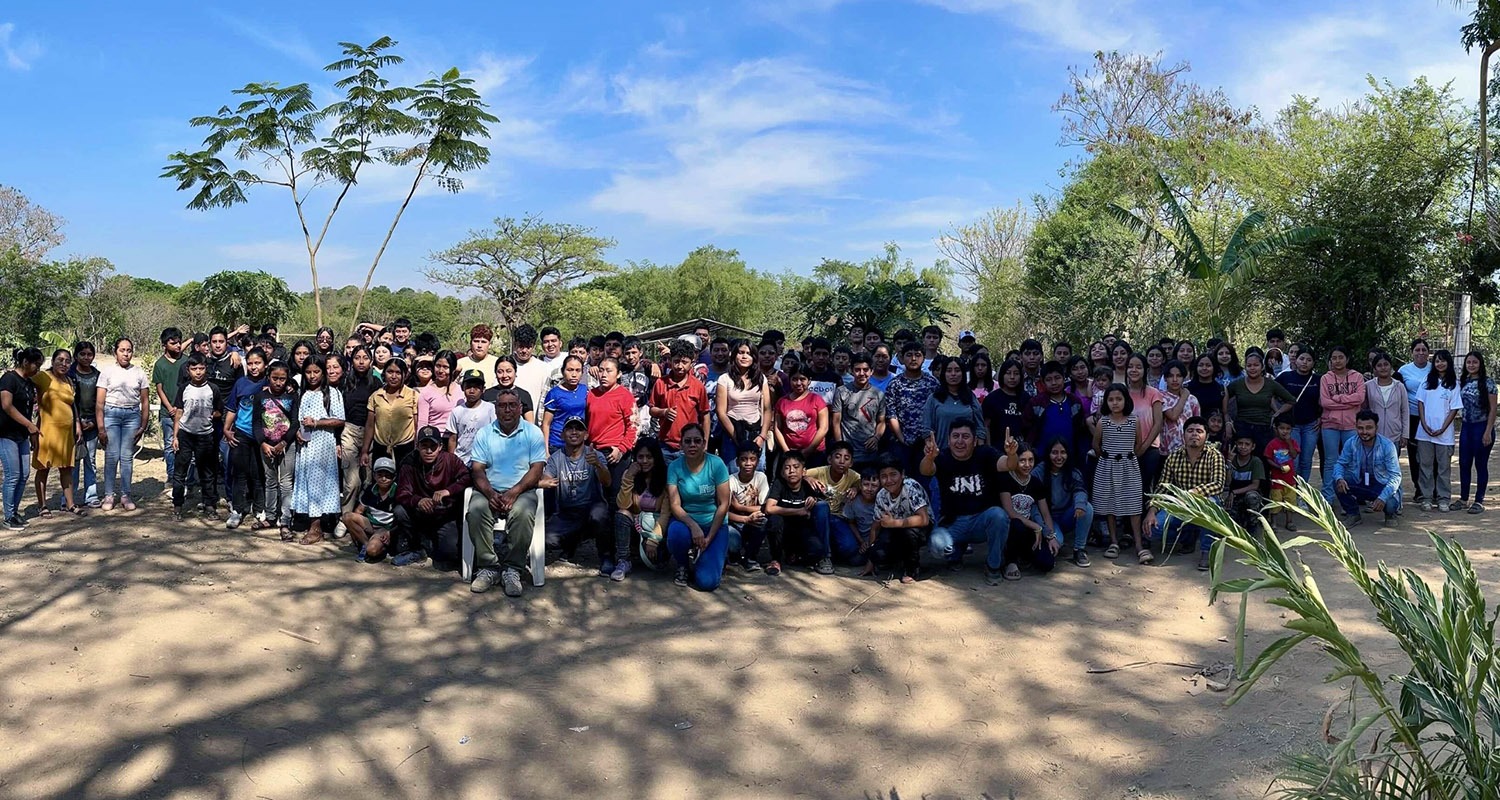
In Jaltenango, Chiapas, Mexico, the Church of the Nazarene and Restoration Center “La Fortaleza” developed a ministry of rehabilitation for people struggling with alcoholism and drug addiction.
Located in the Los Angeles neighborhood in Jalatengo, this ministry belongs to the Mexico Sierra District, operating as a restoration center through daily care and a comprehensive approach.
The project began approximately 10 years ago as a shelter. Since then, the ministry has incorporated preaching the Word, prayer times, Sunday services, and support groups where family members also participate. The ministry’s steady growth led to its official organization as a Church of the Nazarene on 8 September 2025, consolidating a work that was already bearing fruit.
La Fortaleza operates daily and currently offers a fourth-month residential rehabilitation program, serving 30 people. Admission is primarily through families bringing their loved ones seeking assistance.
During the process, individuals receive counseling, pastoral care, and psychological therapy. They also get opportunities to participate in sports activities, discipleship lessons, prayer, Bible reading, and worship services.
A team of 12 staff members provide ongoing support at every stage of the process.
In the last four years, the center has served an average of 90 people per year, reaching a total of approximately 360 people.
“Thank God we have seen very positive results,” said Pastor Jacob Ortiz. “We have seen people’s lives restored, reintegrating themselves into social life. We have also seen marriages, families, and parent-child relationships restored by the power of God.”
Uriel Gómez Cruz, a participant in the program, expressed gratitude to his family, who brought him to La Fortaleza.
“My life has taken a radical turn,” Cruz said. “I am not the same person I was before. Now, I see my family restored and I am working very hard with my whole family.”
As part of its operations, the church supports the center’s sustainability through developing various projects like making building materials, raising chickens, planting corn, selling food, operating a general store, and most recently launching a fish farming—thanks to the participation of the congregation.
The support of the Sierra District compassionate ministry “Ebenezer” has been key to the growth and sustainability of the center and the church.
The center expects to serve more people, responding to a growing need in the community. Additionally, there is hope that a separate space can be constructed specifically for women—perhaps adding a second floor.